
Ongoing Projects
Science educators' perceived norms, benefits, and feasibility of teaching aspects of effective science communication
Led by

Dr. Liz Barnes
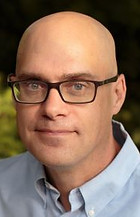
Dr. John Besley

Dr. Cissy Ballen
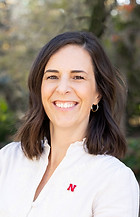
Dr. Heather Akin
Active Team Members
Travis Ray, Paula Adams, Nicole Kelp, Liza Mitchem, Heather Bergan-Roller, Crystal Uminski, Rahmi Aini, Traven Cargill, Virginia Schutte, & Pinar Kohlmeier
For undergraduate science communication training to have real impact, it must prepare students to communicate in ways that build trust—not just convey information. However, such training is not yet a routine part of undergraduate science education, in part because instructors must decide whether and how to incorporate it into their courses. This working group investigates the factors that shape instructors’ decisions to teach science communication aimed at building trust. We examine both the barriers (e.g., limited time, lack of resources or training, uncertainty about how to teach these skills) and the affordances that support implementation. By identifying these factors, we aim to inform strategies that make it more feasible for instructors to integrate trust-building science communication into undergraduate courses. This work helps lay the foundation for broader adoption of science communication training that better prepares students to engage effectively with others.
Perspectives on objectives: Developing learning objectives for science communication education
Led by
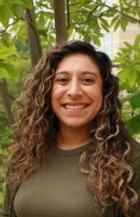
Dr. Rosario Marroquin-Flores
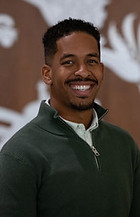
Traven Cargill
Active Team Members
Liz Barnes, Melissa McCartney, Arik Davidyan, Crystal Uminski, Kate Coscia, Heather Bergan-Roller, Jaz Donkoh, Delaney Worthington, & Kayla Wagner
Science communication skills are essential for students to respond to complex societal challenges. Undergraduates are uniquely poised to reach both science and non-science audiences, but there has been little progress towards helping students to develop as effective science communicators. One significant barrier to integrating science communication into undergraduate courses is instructor knowledge. What should they teach? How should they teach it? The goal of this project is to develop science communication learning objectives for use with undergraduate students in biology. To initiate this process, we are surveying biology instructors to better understand how they define science communication, and how they currently integrate science communication into their courses. The information will be used to 1) identify priorities, 2) build a list of learning objectives that align with current practices in undergraduate biology education, and 3) identify mismatch between biology instructors and science communication scholars. Our findings will promote the use of evidence-based science communication learning objectives in undergraduate classrooms.
Assessing the impact of training in participatory science communication on students and the instructors who teach them
Led by

Dr. Nicole Kelp

Dr. Jamie Jensen

Dr. Liz Bailey
Active Team Members
Mark Sarvary, Shelby Chandar, J. Hayes, Liz Barnes, Kimberly Booth, Rahmi Aini, Traven Cargill, Rosario Marroquin-Flores, Mary Foley, Borna Zareiesfandabadi, Pinar Kohlmeier, & Rachel Yang
This working group brings together researchers and educators to examine how undergraduate students are taught to communicate science with non-peer audiences. We are gathering and analyzing lesson plans focused on mass science communication, interpersonal communication about science, and collaboration with community partners in order to identify shared features of effective instruction across institutions. Our goal is to determine which elements of participatory science communication training most strongly support students’ skills, confidence, and capacity to engage diverse publics. By comparing approaches and testing their efficacy, we aim to build an evidence base that strengthens science communication education and supports instructors in adopting and adapting proven practices.
What are students' barriers to engaging in successful science communication?
Led by
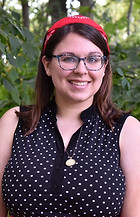
Dr. Erin Rowland-Schaefer
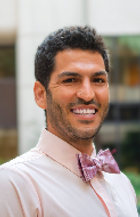
Dr. Arik Davidyan
Active Team Members
Liza Mitchem, Jaz Donkoh, Liz Barnes, Mary Foley, & Donye Asberry
Undergraduate science communication training often assumes that students will readily engage in conversations across differences—but many students perceive significant challenges to doing so. If we want students to communicate in ways that build trust, we need to better understand how they experience these interactions and what shapes their willingness to engage. This working group investigates the barriers and affordances students themselves perceive when engaging in trust-building communication across differences. We examine factors such as students’ confidence, prior experiences, perceptions of social risk, and beliefs about what constitutes effective communication, as well as the conditions that make these interactions feel possible and worthwhile. By identifying these factors, our goal is to inform the design of undergraduate science communication training that better supports students in engaging productively with others. This work provides insight into how instruction can move beyond skill-building to also address the psychological and social dynamics that influence whether students choose to engage at all.